 Museum
 Historic Residence
 Spaces & Places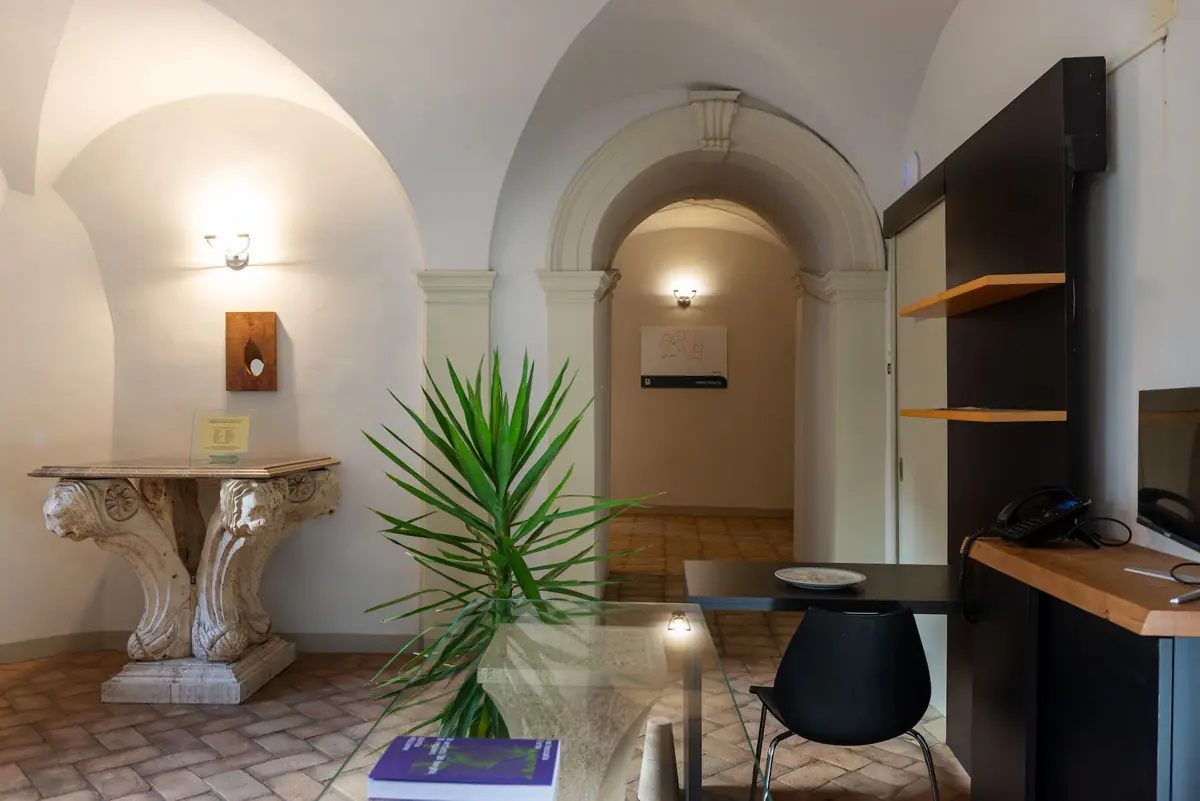
Introduction to the Antica Grancia Museum
The Sienese territory still retains the indelible signs of an institutional and agricultural organization that for centuries referred to the Spedale di Santa Maria della Scala. This system, developed through multifunctional activities and well-structured social organization, led to the emergence of settlements such as the Grancia delle Serre.
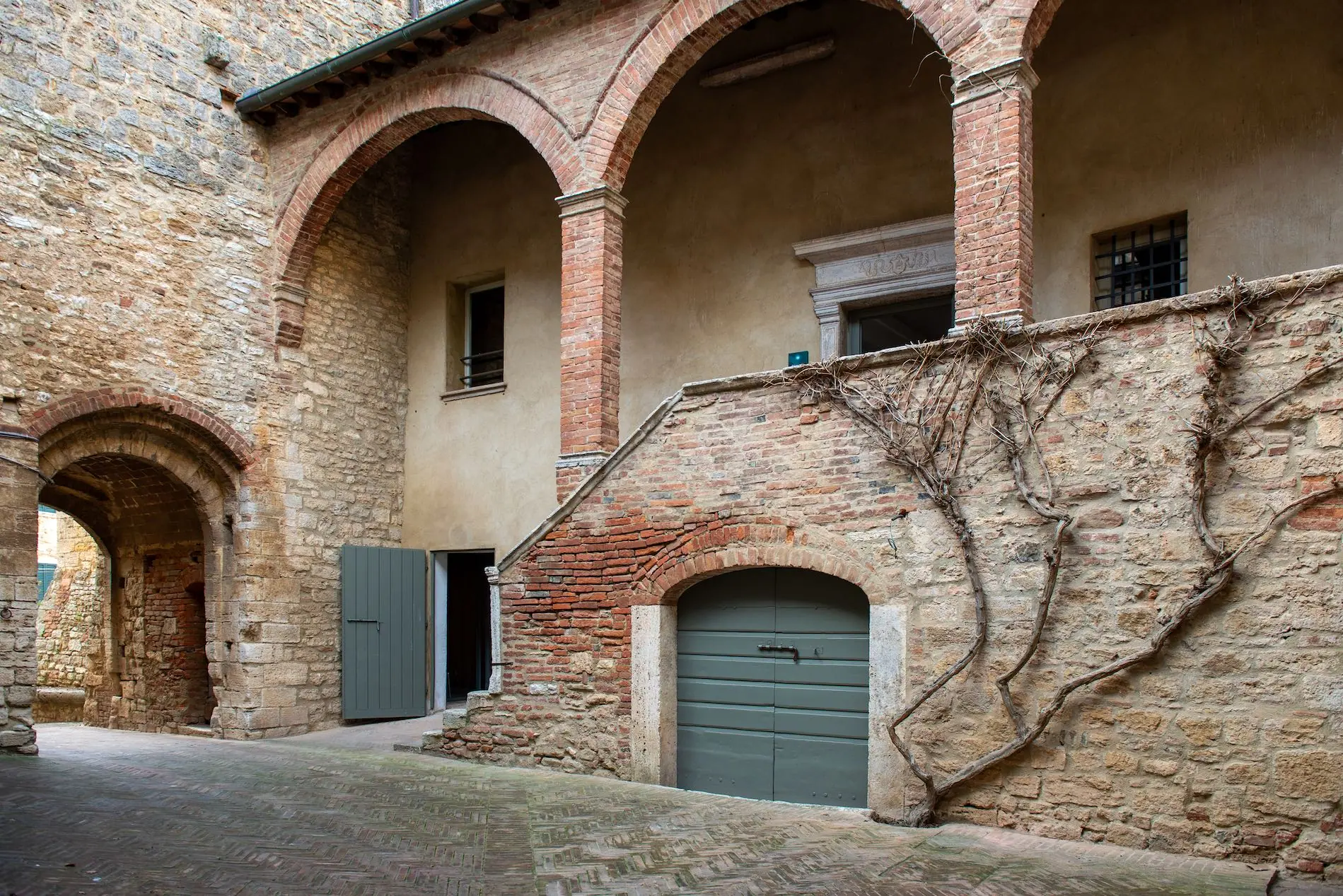
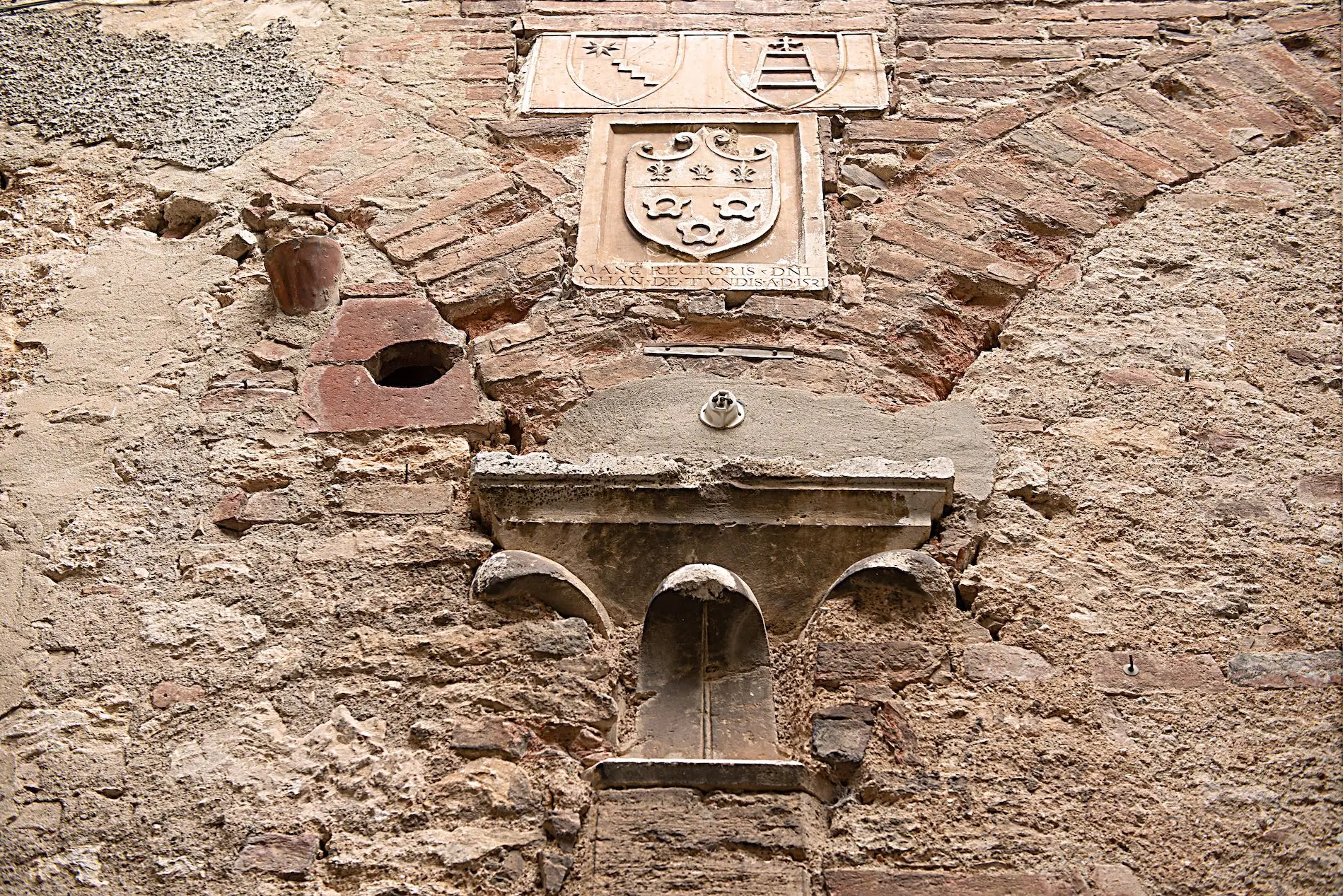
The Grancia of Serre, along with other examples such as those of Cuna and Montisi, represents one of the most relevant architectural settlements in the Sienese territory, not only for its agricultural function but also for its historical and cultural value. Arranged around two courtyards connected by a covered passageway, the Grancia still shows traces of its former function: the paved road, on which furrows left by wagons can be seen, led to the large granary, crossed by an internal ramp traveled by mules loaded with grain. This structure recalls architectural patterns similar to those of the Cuna Grange.
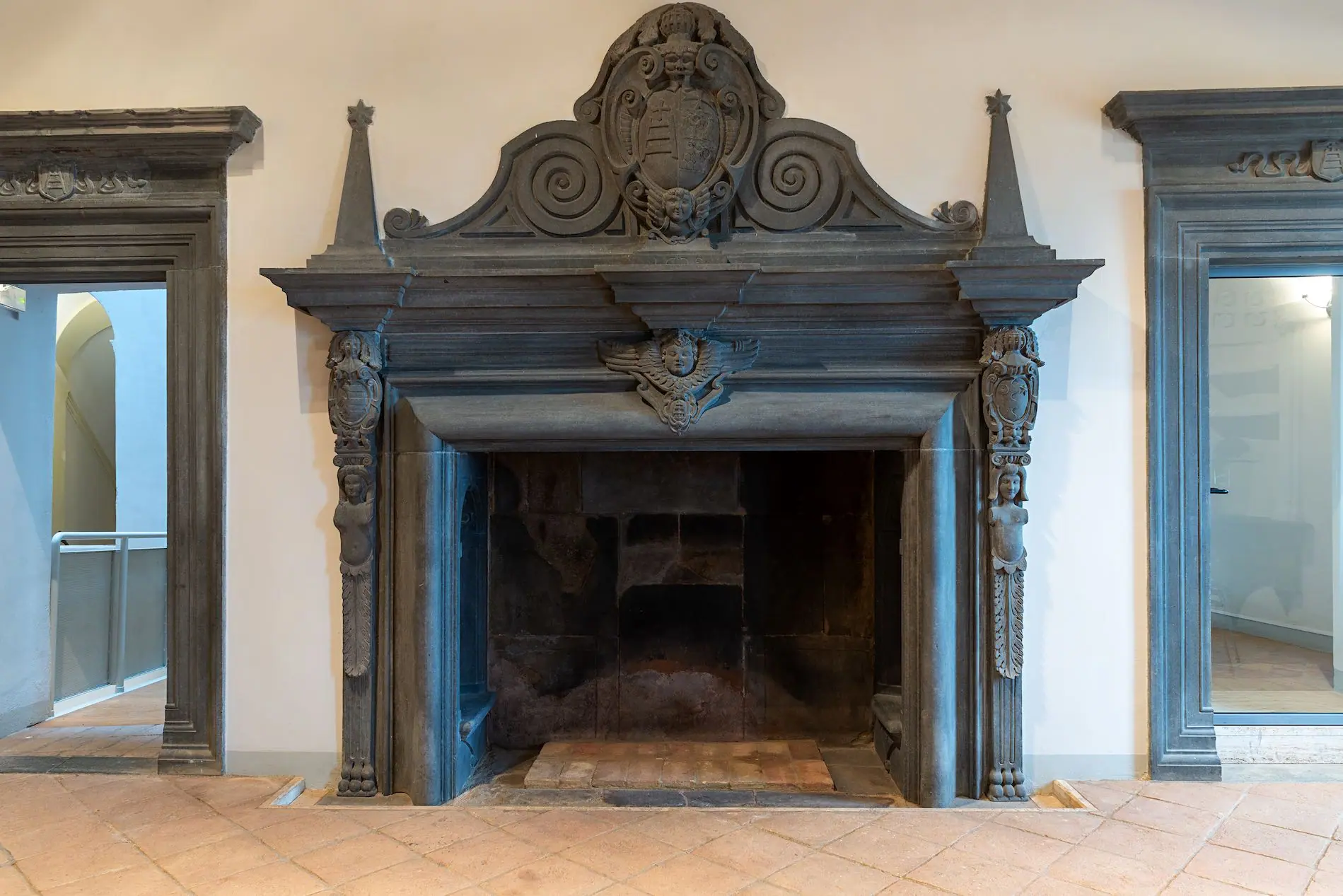
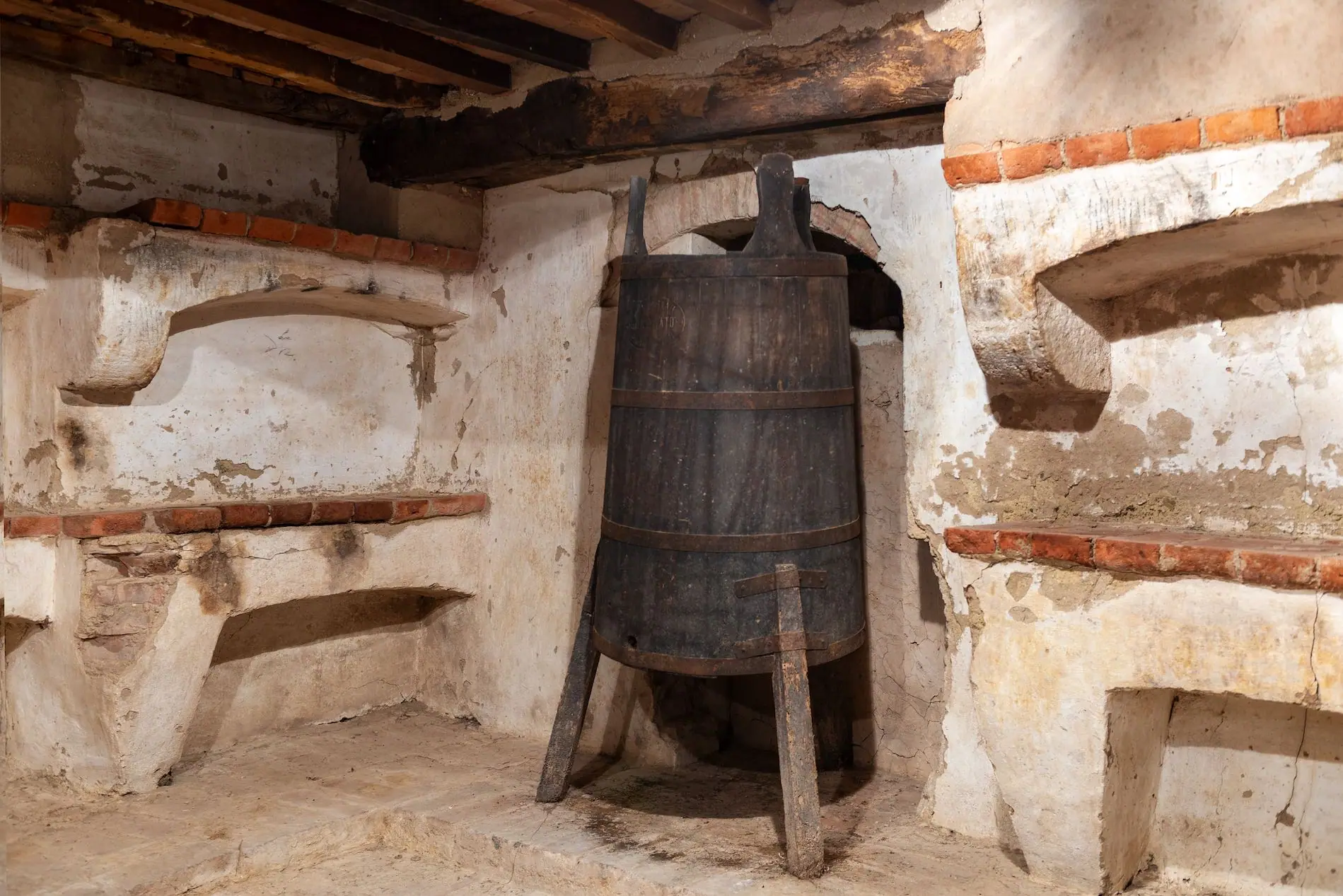
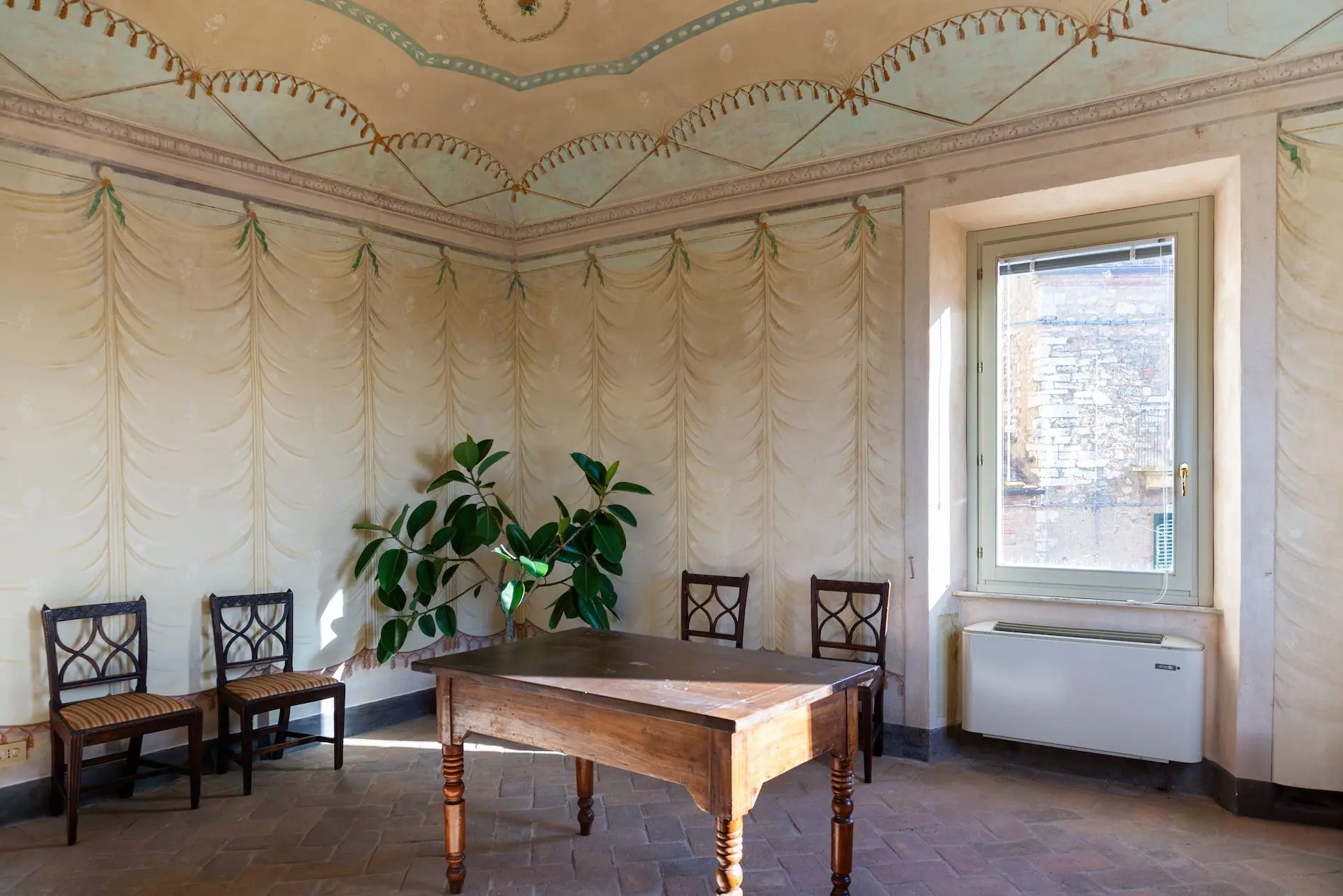
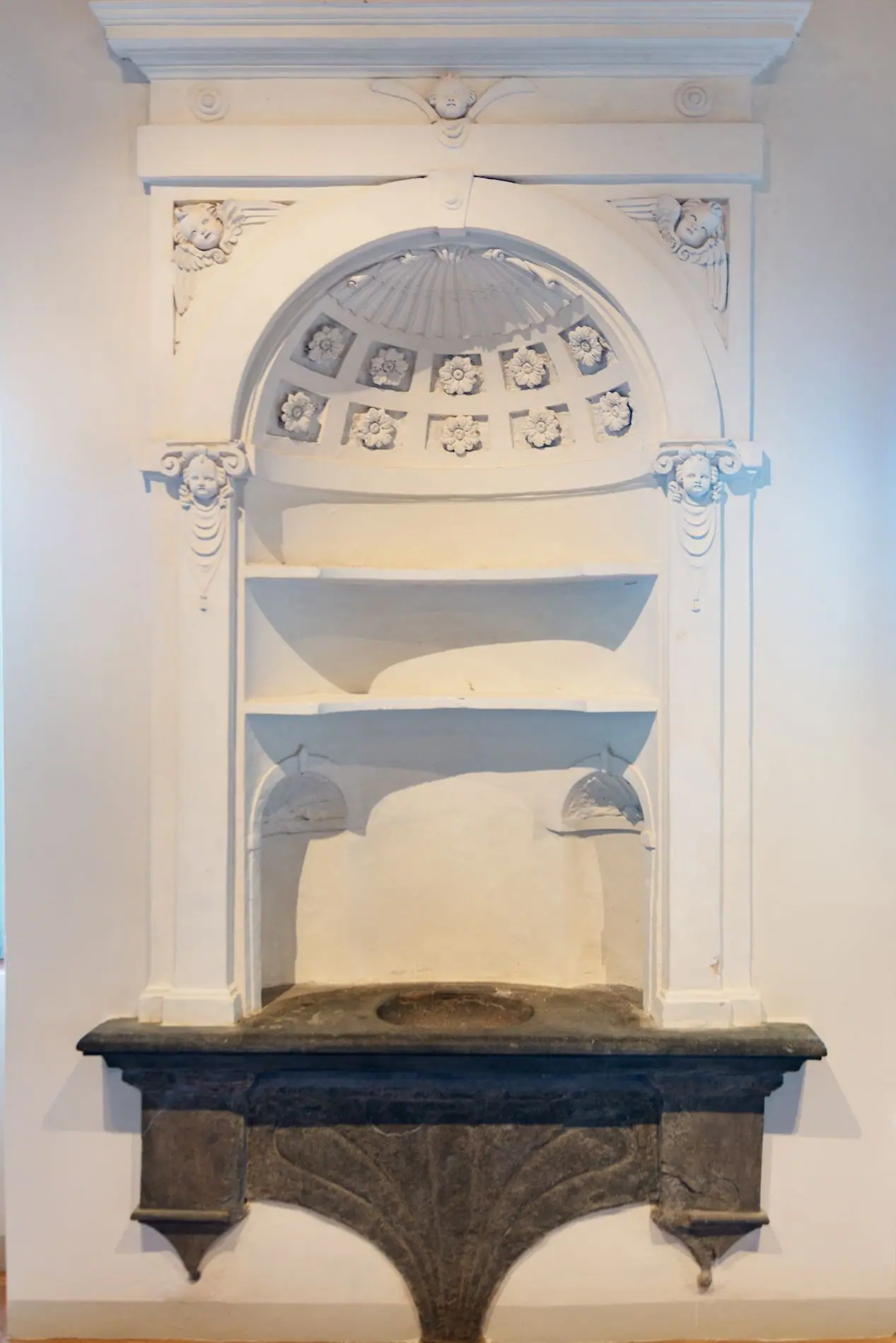
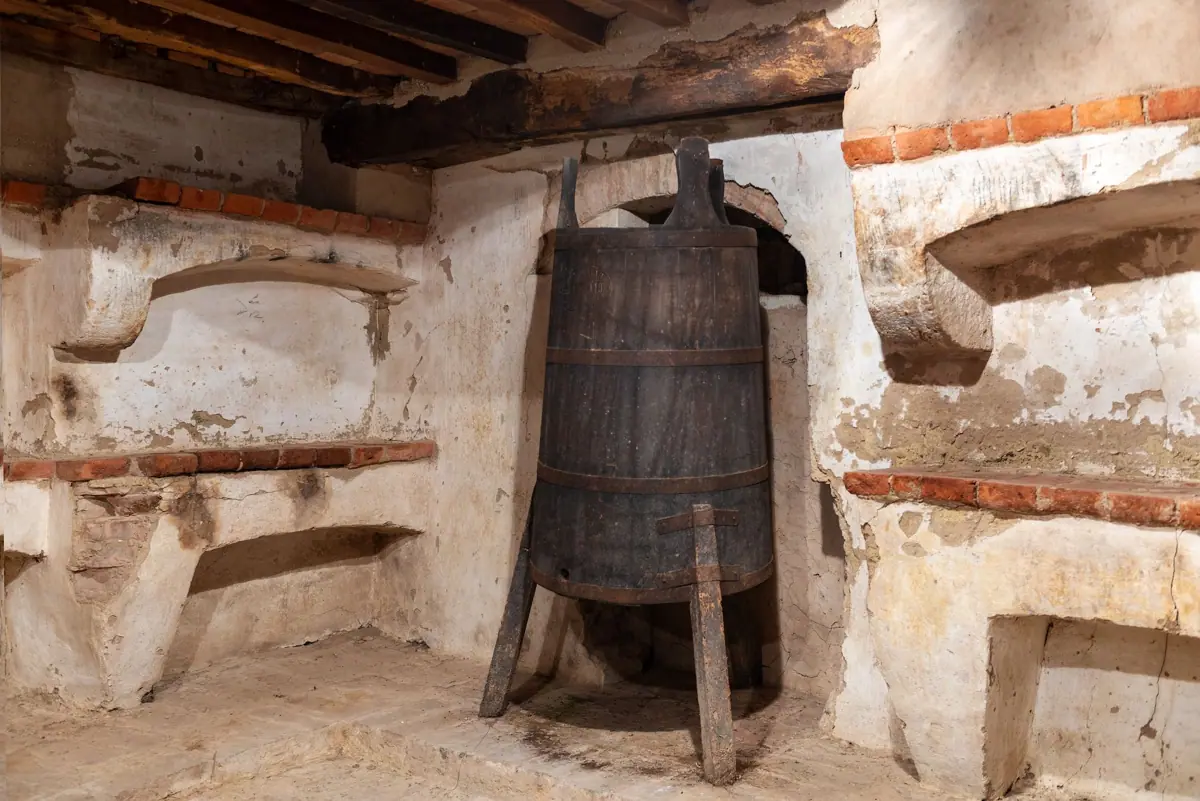
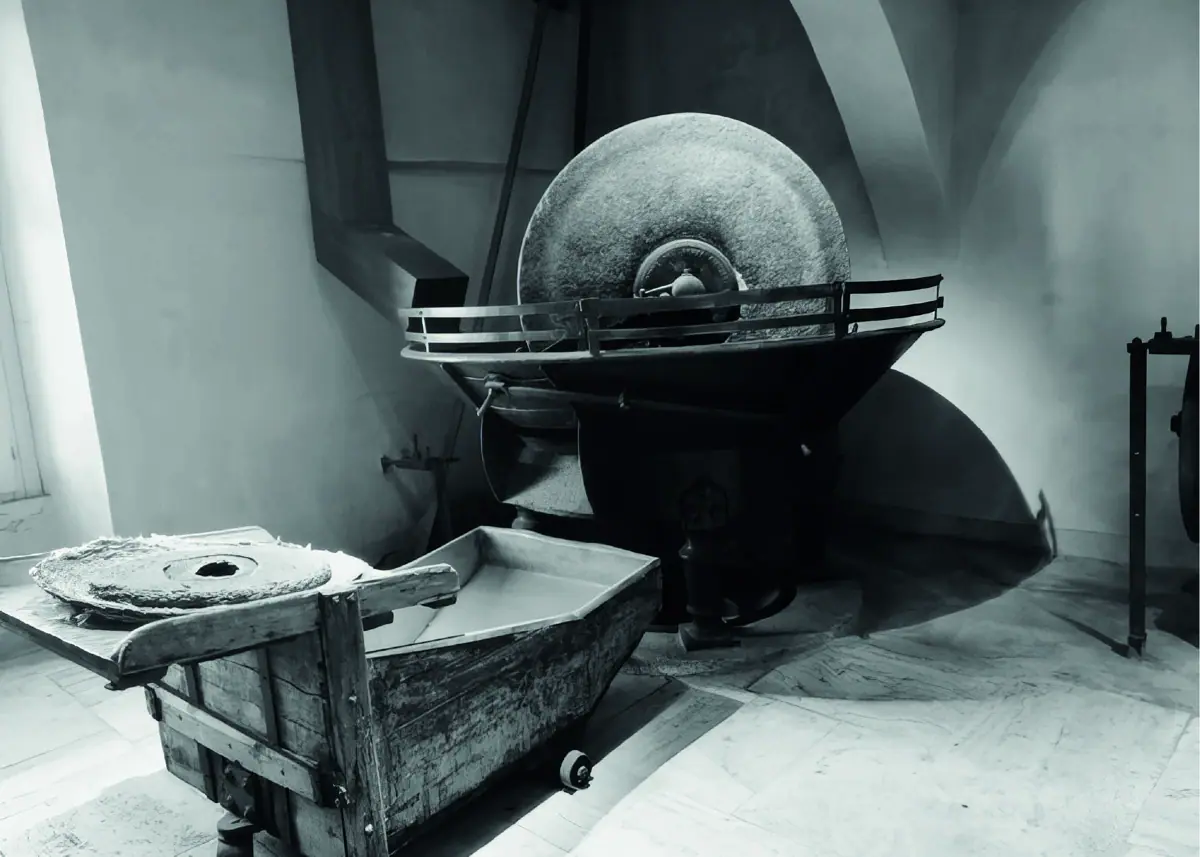
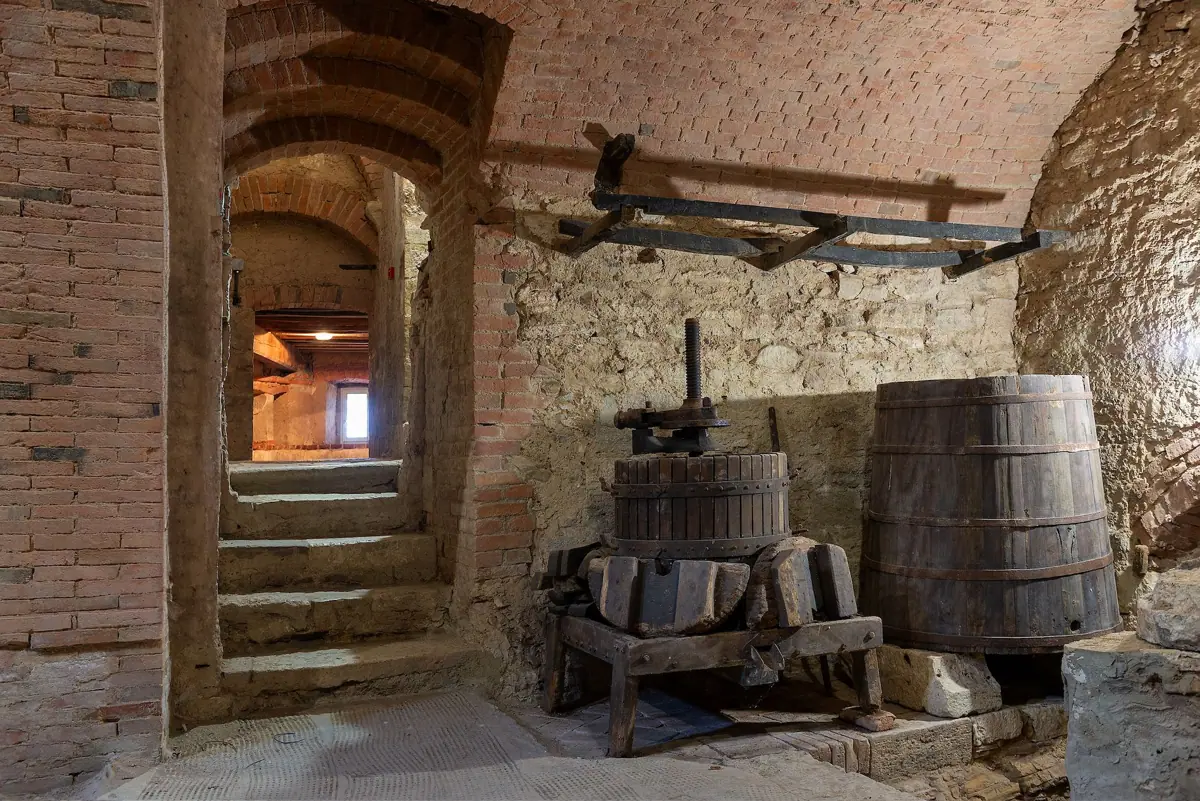
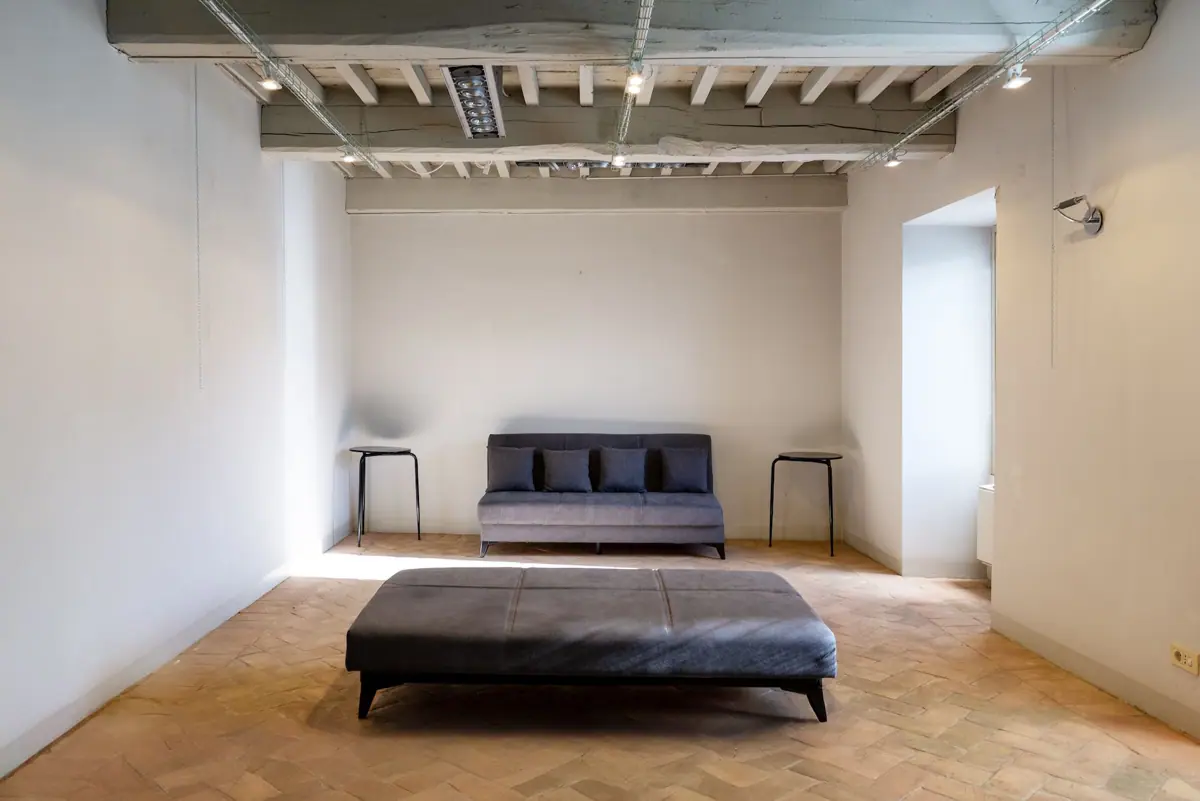
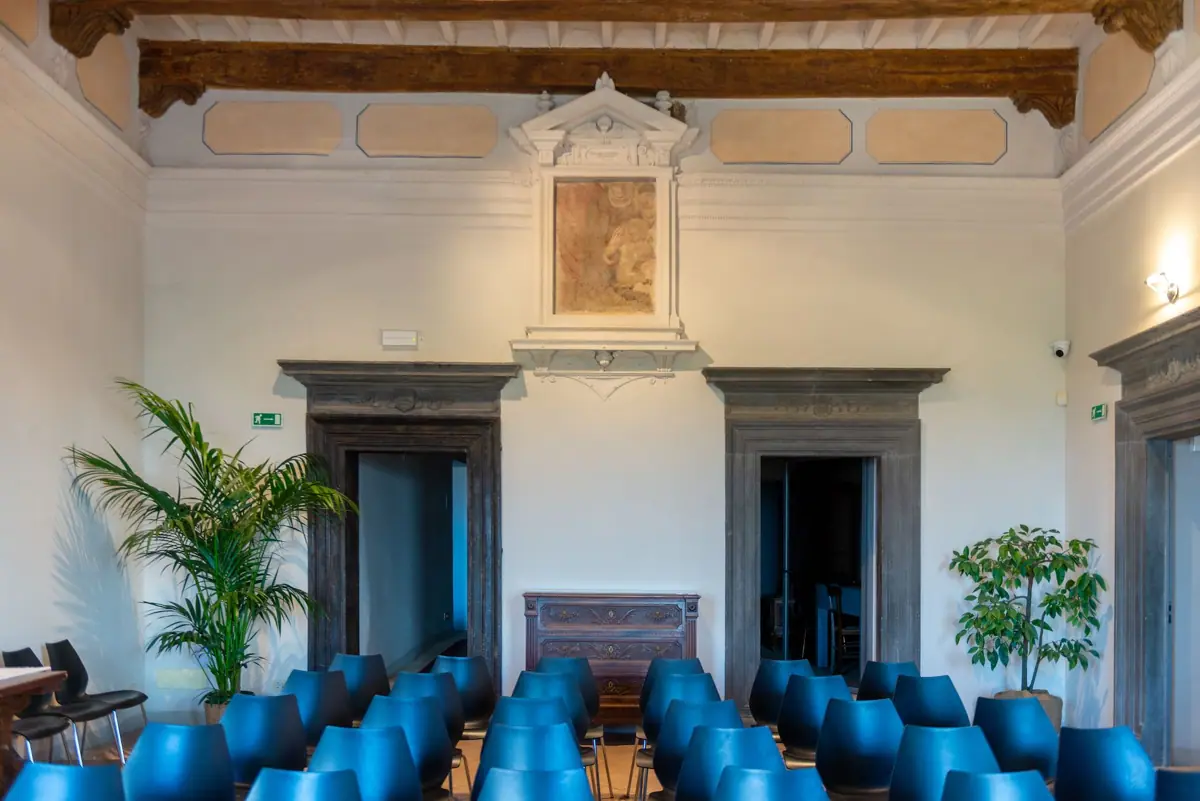
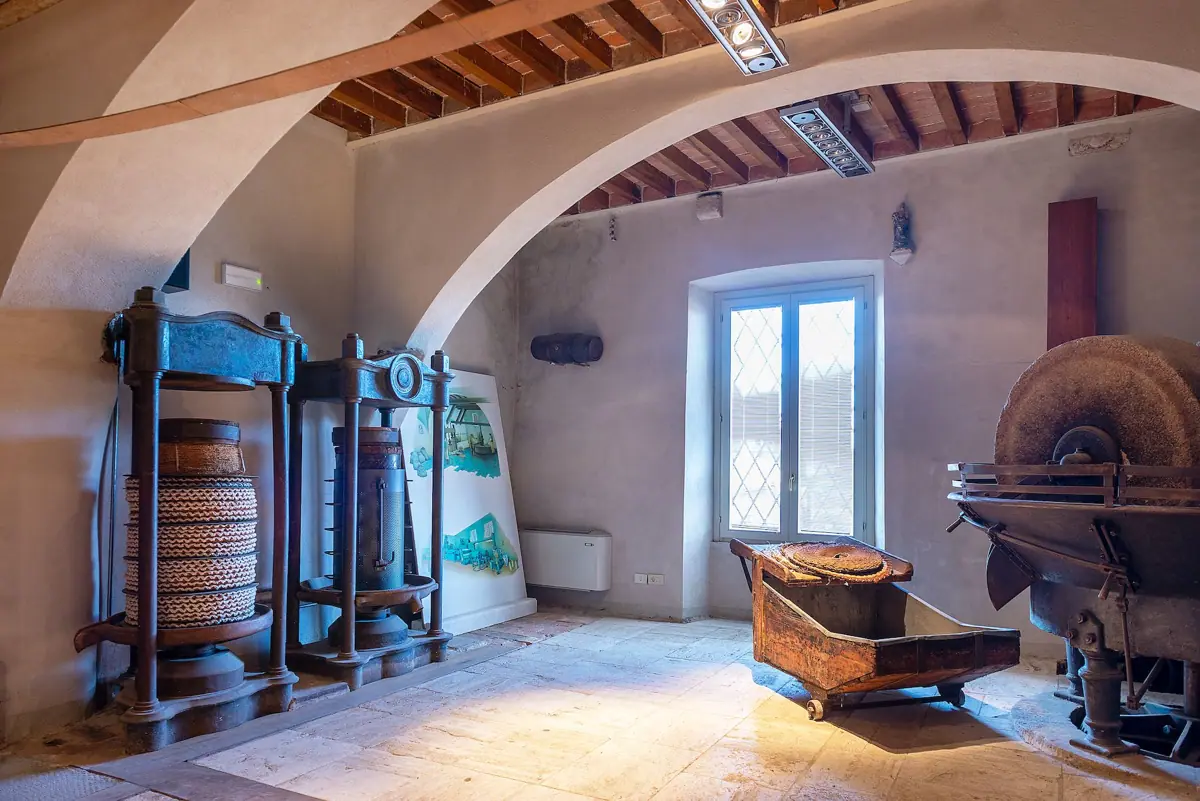
The Serre Grange consists of two distinct parts. The first is devoted to residential and domestic functions, with the grancher’s house, craft workshops, chapel and oil mill. The second, with an agricultural and productive vocation, houses the granary, warehouses and vat house for the storage of products from the surrounding farms.
However, at the time the restoration work began, the state of preservation of the Grancia was critical: the roof structures were in disrepair, the wooden floors, fixtures and floors were showing signs of decay, and rainwater infiltration threatened the entire building. The presence of stable vegetation between the vaults suggested an impression of fragile grandeur, an unstable balance between architectural beauty and its decay.
Thanks to a restoration project that began in the 1990s, the Grancia has been safeguarded. The work, completed in 1993, involved re-roofing and strengthening the load-bearing structures, with the primary objective of ensuring the material survival of this extraordinary historical monument.
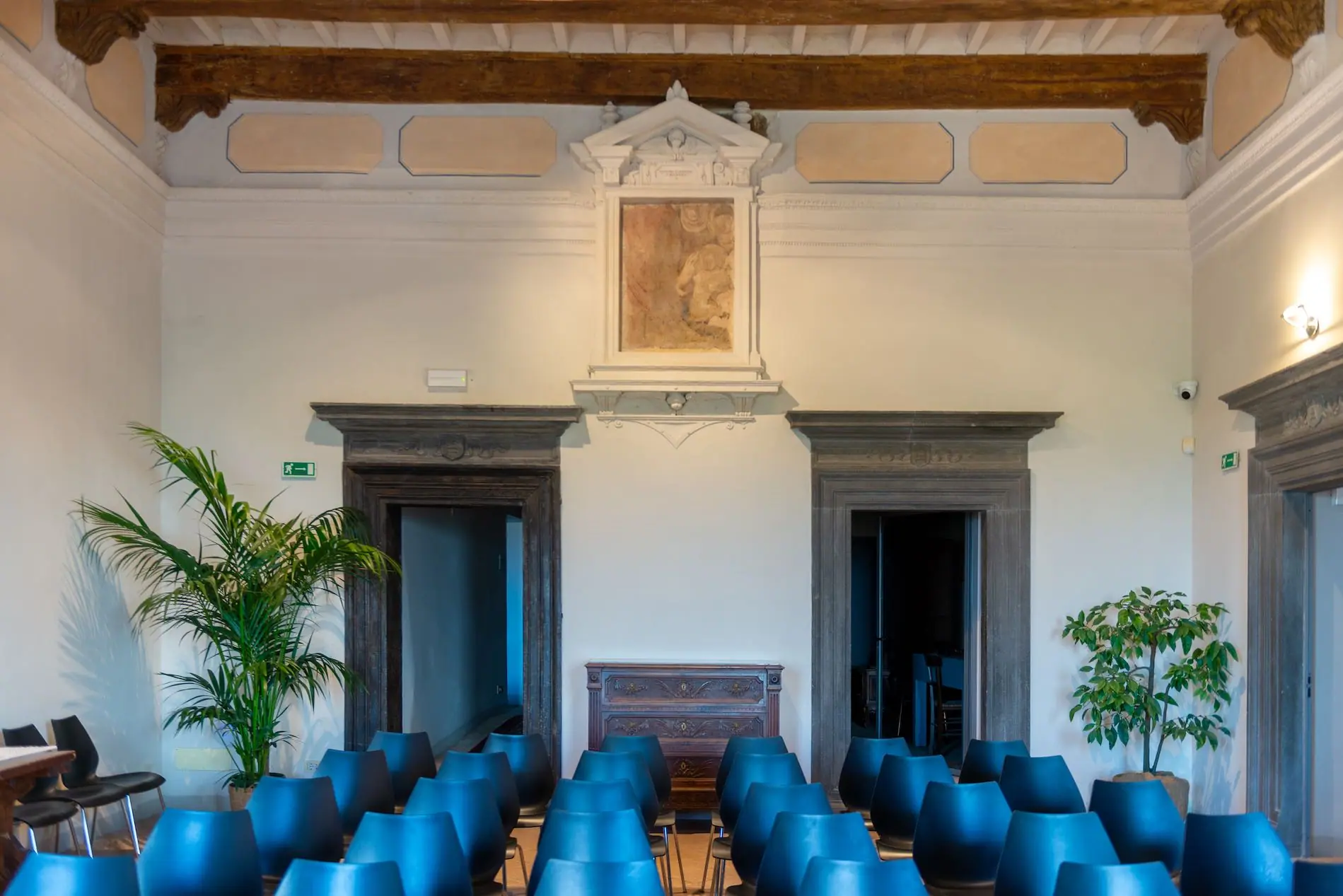
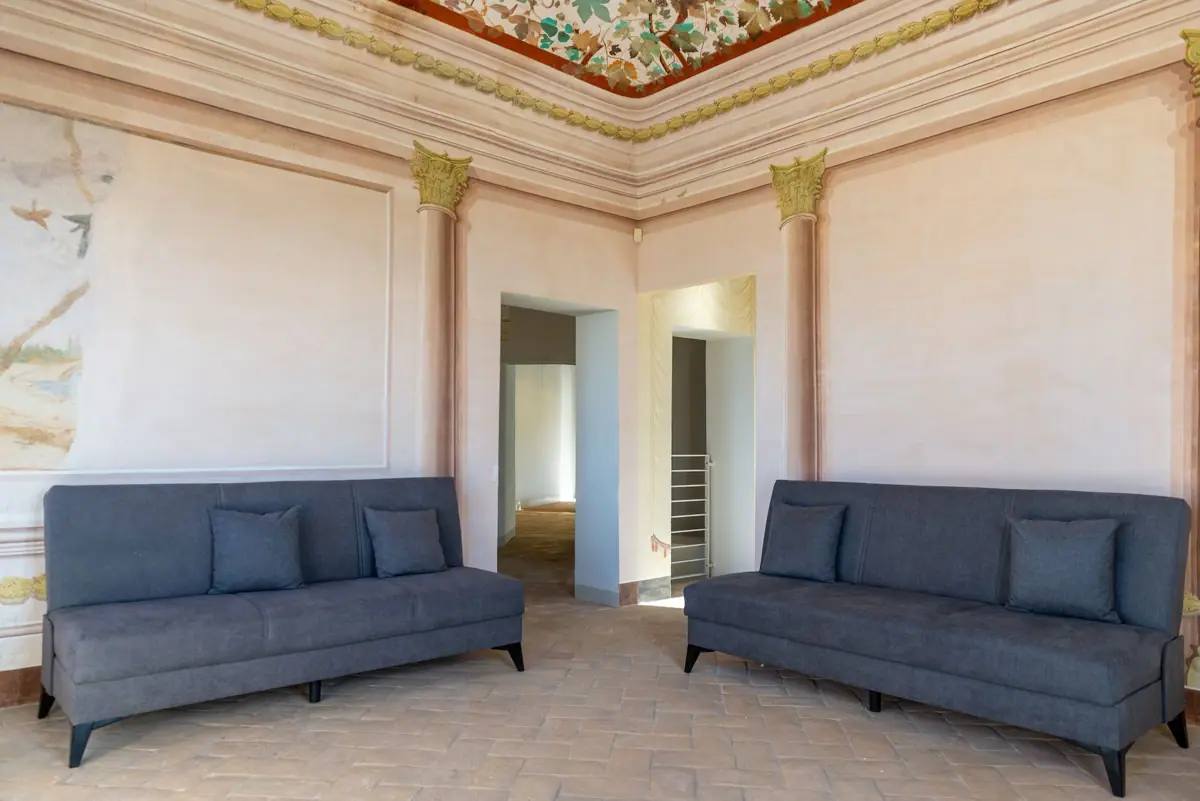
Today the Grange is a place where past and present coexist harmoniously. The complex has been earmarked for new cultural activities that dialogue with the structure’s agricultural history, documenting the rural and productive life that took place within these walls for centuries.