01
Origins and historical significance
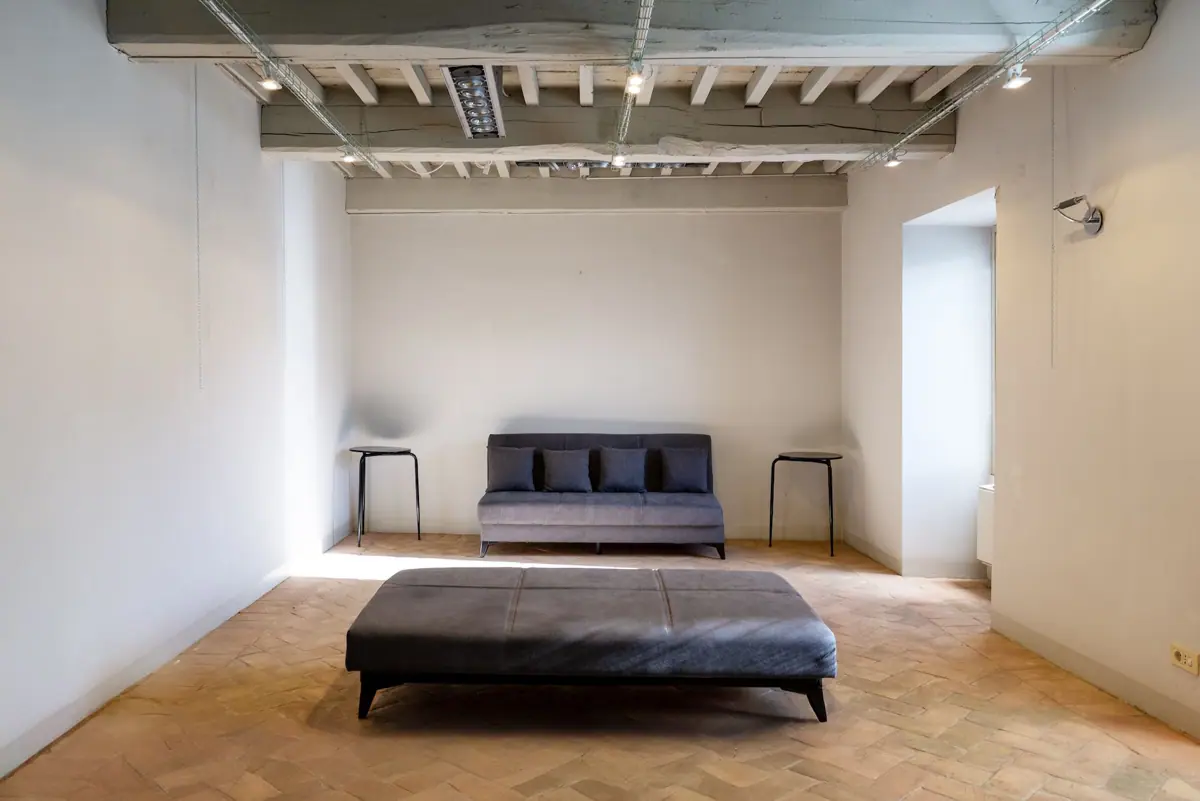
The hall takes its name from the Cacciaconti, a family that dominated the area between the 12th and 13th centuries, a time when the system of grenades was gradually being integrated into the organization of theHospital of Santa Maria della Scala in Siena. The Cacciaconti, through concessions and donations, played a key role in the transfer of land and structures that enabled the birth and development of the grance as self-sufficient production centers. This room recounts, through the documents and exhibits, the evolution of the territory and its institutions.
02
The Grancia as an economic system
The room illustrates the functioning of the economic system of the Grancia, based on the rational management of agricultural resources and the centralization of production.
One of the explanatory panels in the room delves into the role of the Cacciaconti family in the context of the Grancias, highlighting how their donations of land and real estate ensured the economic and organizational sustainability of the Spedale. This system was based on a well-structured hierarchy: at the top was the rector of the Spedale, followed by the local grancieri, who were responsible for agricultural activities, the collection of tithes and the management of workers.

 Museum
 Historic Residence
 Spaces & Places